

Comprehensive Research Guide for KLOW Peptide Blend
Neither question alone establishes whether a person benefits or whether an exposure is safe. Reading those ingredients as a mixture, with separate chemical identities, is the starting point for the guide. The name commonly brings together GHK-Cu (BPC-157), TB-500 and KPV.
Protocol design for a four-component blend is best approached through a personalized protocol tool that accounts for the specific blend variables involved. These figures come from single-compound studies and are not established recommendations for the blend as a unit. Individual results vary significantly based on the severity of the condition being addressed — dose, administration frequency, and overall health status. Meaningful structural tissue repair, driven primarily by GHK-Cu and the cell migration effects of BPC-157 and TB-500, is more commonly observed in the 6-8 week range in animal research.
Every compound is documented in published, peer-reviewed literature. Researchers studying GHK-Cu in isolation often choose the standalone form — while those investigating combined mechanisms choose the Glow or Klow blends. Neither blend is universally stronger; the choice depends on the research question. That single sentence answers most of what people are actually asking when they compare the two.
KLOW vs. GLOW Peptide Blends
Whether four independent mechanisms add up to meaningfully more angiogenesis than one or two in practice is the question the combination research would need to answer. Research on BPC-157’s effects on focal adhesion kinase , FAK, a protein that activates cell movement, and paxillin phosphorylation established one of its primary documented mechanisms. Most peptides available online are sourced from unregulated overseas labs with no standardized testing requirements, no verified quality controls, and no accountability if a product is contaminated or misdosed. IM is less common in real-world protocol documentation for this blend than SubQ.

A batch-specific COA references the exact lot number printed on your vial, with a testing date and results that correspond to what you actually received. Most guides tell you to “look for third-party testing” and stop there. A good vendor is upfront about where material comes from and how it’s handled, with no vague “pharmaceutical grade” claims that have no documentation behind them. A vendor holding real inventory with clear stock status and domestic dispatch gets your vial to you in days — not weeks; perpetual backorder is its own answer. They keep stock instead of running on perpetual backorder, ship domestically so your vial doesn’t sit in customs, and they don’t dress up research chemicals with human dosing protocols.
Frequently asked questions
Stability questions need measurements of the actual mixture, rather than assumptions based on its individual parts.

The dosage coverage explains experimental amounts only within their named study. The uncertainty needs to remain specific to the question being asked. The effects and safety page keeps favorable experiences and unwanted experiences under the same standard. Community accounts can identify the experiences people want research to examine.
It is supplied strictly as a research chemical for laboratory use, and none of its four components holds marketing authorisation as a finished drug product. It is not a single amino acid sequence, so there is no one molecular weight or reference standard that defines it. Common misreadings of that literature are addressed in the myths debunked page — the cost and claims reality check, the FAQ and the animal versus human research comparison.
Our Energy — Mitochondria & Fatigue Elimination Bundle reflects our ongoing commitment to supporting research in these vital areas. While we always emphasize that peptides like KLOW are strictly for research purposes, the mechanisms we’re discussing open doors for investigating a multitude of biological processes. This differential responsiveness is a common feature of many biologically active peptides and underscores the importance of context in research. At MPP — Marcus contributed to building the knowledge base, the protocol frameworks, and the research systems that power the platform. Marcus Reid is a functional medicine researcher (data analyst), and peptide specialist, and one of the people who built MyPeptidePal. Build a personalized protocol in 60 seconds (get dosing math you can trust), find vetted suppliers, set auto-pilot reminders, and get straight answers on peptides, health, fitness, and longevity, all in one place.
Treat the section on reconstitution as the cornerstone of your protocol and review it thoroughly. Explore protocols that specifically allow for off days (such as 5 days on and 2 days off) if daily administration isn’t feasible for you. Undermining the physiological processes you aim to support can occur if doses are skipped (injection times are significantly altered), or if days off are taken during the cycle. More peptides are assumed to yield greater benefits — as they seek quick results. By being aware of frequent mistakes, you can avoid making them. Errors can occur even among seasoned researchers in peptide protocols.
The platform exists in part because of the years he spent immersed in clinical literature (real-world protocols), and the kind of hands-on experimentation that most textbooks skip entirely. Four independent angiogenic mechanisms provide overlapping neovascularization support. Based on individual component research and real-world protocol documentation (early changes in the inflammatory environment are typically the first to be reported), often within the first 1-2 weeks, driven by KPV’s NF-kappaB inhibition and TB-500’s cytokine reduction.
Distinguishing those purposes prevents delivery research from becoming an unsupported clinical claim. The material was the full-length protein, not the short TB-500 fragment. A human clinical question includes the person’s condition (alternative care), meaningful function and unwanted effects. Even a strong result within one model needs confirmation in other settings. The result does not determine whether a person with a longstanding tendon problem would benefit. Reported improvements support further investigation of that ingredient in tendon biology.
That means the dosing ranges, outcome timelines, and safety notes in this guide are not only sourced from published literature; they are cross-referenced against real-world protocol data from thousands of people actively using these compounds. This guide answers those questions using primary preclinical literature rather than marketing claims. A peptide commonly discussed in relation to thymosin beta-4 research and experimental cell-migration mechanisms. Failure to meet this standard can result in protocol suspension even if the peptide itself was legal to purchase. Researchers who are new to peptide reconstitution protocols may benefit from reviewing established bacteriostatic water reconstitution biology guidelines before beginning KLOW-based experiments.
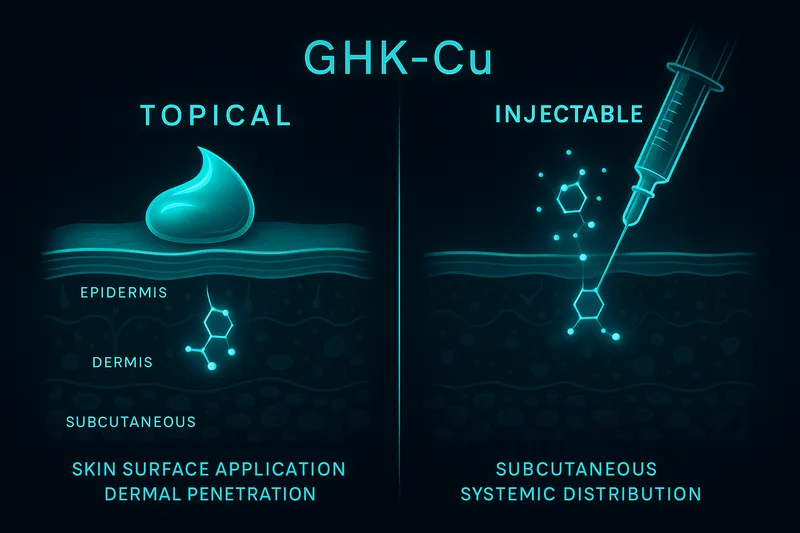
But ‘interesting enough to warrant further study’ and ‘supported by evidence for human use’ are two very different places on the evidence spectrum — and creator content tends to treat them as the same thing. Compounds sold for ‘research purposes’ are not subject to the same manufacturing standards, purity testing requirements, or clinical validation that prescription drugs require. That’s not nothing, but it’s also nowhere near what would be needed to support the confident outcome claims circulating on social media. BPC-157 has shown some metabolic effects in rodent studies, but extrapolating rodent metabolism data to human fat loss outcomes is a leap that the research does not support. Without standardized formulation, any claim that ‘klow peptide does X’ is already on shaky ground, because the product one person used may not be the same as what another person bought.
Certificate of Analysis (COA) from a Third Party
Klow peptide has generated interest in research communities for its proposed mechanisms and applications. This article is provided by SENO Biotech (established in 2014), specializing in research peptide production and supply. If you need to source peptides for research applications, PeptidePro.io is a vendor we reference for research-only materials. Independent analysis of research peptides (with emphasis on biochemical mechanisms), study design, evidence strength, and existing research gaps. The compounds discussed are research compounds and are not intended for human consumption.